Educational Exchange Programs Between Vietnam and the Netherlands: Opportunities, Requirements, and Benefits
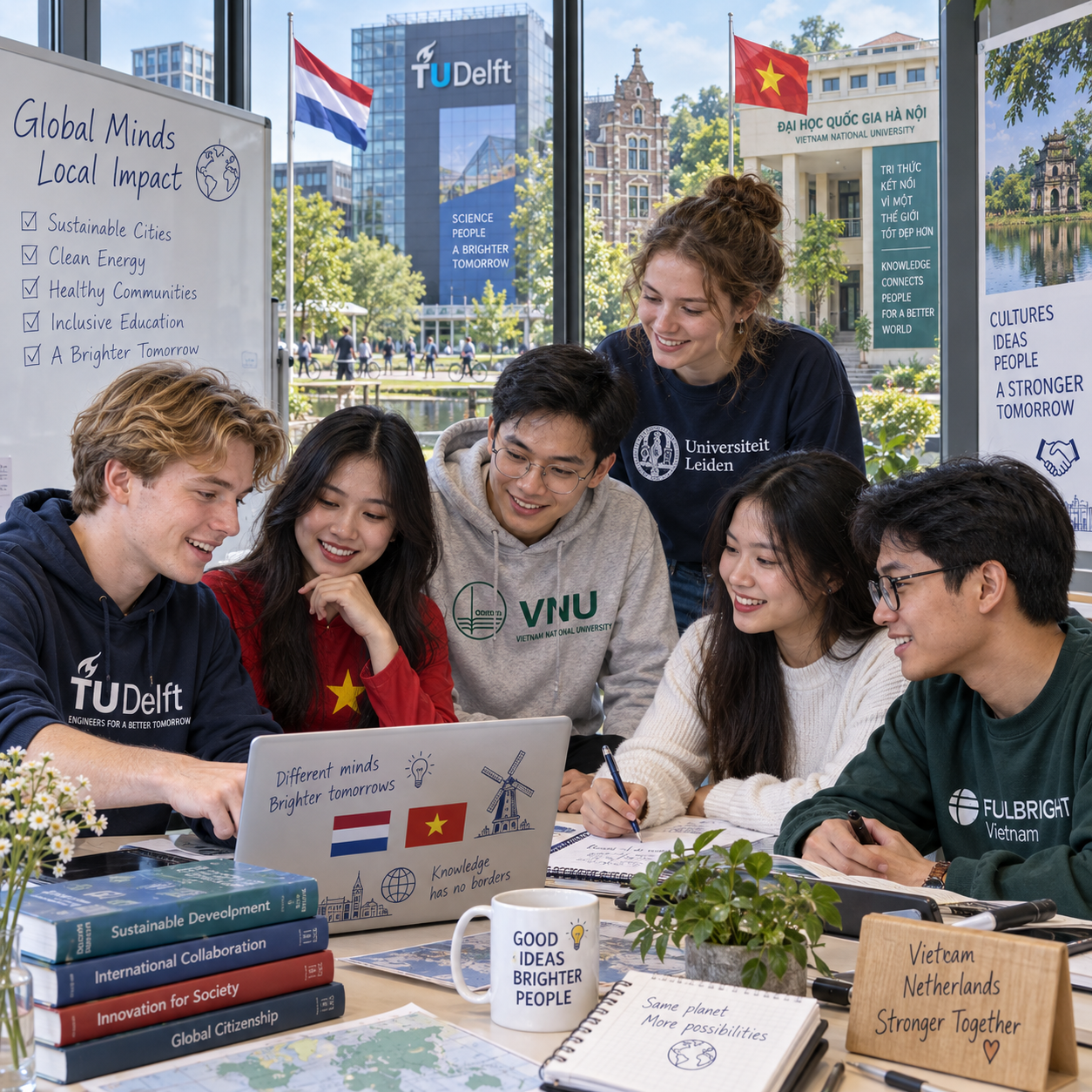
Educational exchange programs between Vietnam and the Netherlands connect students, researchers, educators, and institutions through structured academic mobility. Depending on the agreement, participants may spend a semester abroad, join a short course, complete an internship, conduct research, or develop a joint project without pursuing a full degree in the host country.
Because each program has its own rules, applicants should treat general guidance as a starting point. The international office of the Vietnamese or Dutch university, the host department, and the official immigration authorities can confirm current requirements.
What Are Educational Exchange Programs Between Vietnam and the Netherlands?
Educational exchange programs between Vietnam and the Netherlands are organized opportunities for learning, teaching, research, or professional development across the two countries. They support Vietnam–Netherlands educational cooperation while allowing participants to gain international experience within an agreed academic framework.
An exchange is different from full-degree study. A student may remain enrolled at a Vietnamese university while studying at a Dutch higher education institution for one semester, or the arrangement may allow a Dutch student to take approved courses at a Vietnamese university. Credit transfer, tuition, accommodation, and assessment depend on the partnership agreement.
Common formats include:
- Student exchange: short-term study at a partner institution, often lasting one semester or an academic year.
- Study abroad: an independently arranged or institution-supported period of study, which may not involve a formal reciprocal exchange.
- Research mobility: a visiting research period, laboratory placement, doctoral collaboration, or joint publication project.
- Internship and professional exchange: supervised workplace experience linked to a course, research project, or cooperation agreement.
- Academic collaboration: joint courses, faculty mobility, curriculum development, conferences, and institutional capacity-building.
The central distinction is purpose: an exchange usually has a defined learning or cooperation objective, while full-degree study involves applying for an entire qualification at the host institution.
Main Types of Exchange and Cooperation Opportunities
The main opportunities include semester exchanges, summer schools, joint courses, faculty mobility, research collaboration, internships, and formal university partnerships. Each type offers a different balance of academic depth, duration, cost, and administrative responsibility.
Semester exchanges and summer schools
Semester exchanges are suitable for students who want substantial academic mobility while remaining connected to their home university. Before departure, students usually agree on a study plan and confirm how host courses will count toward their degree. Summer schools and short courses are more intensive, often lasting from several days to a few weeks, and may focus on water management, sustainable development, agriculture, engineering, business, or another shared field of interest.
Joint courses and faculty mobility
Vietnamese universities and Dutch higher education institutions can co-design courses, invite lecturers, or deliver online and in-person teaching together. Faculty mobility may involve guest lectures, teaching visits, curriculum workshops, or training for academic staff. These activities strengthen university partnerships even when participants cannot commit to a long overseas stay.
Research collaboration and internships
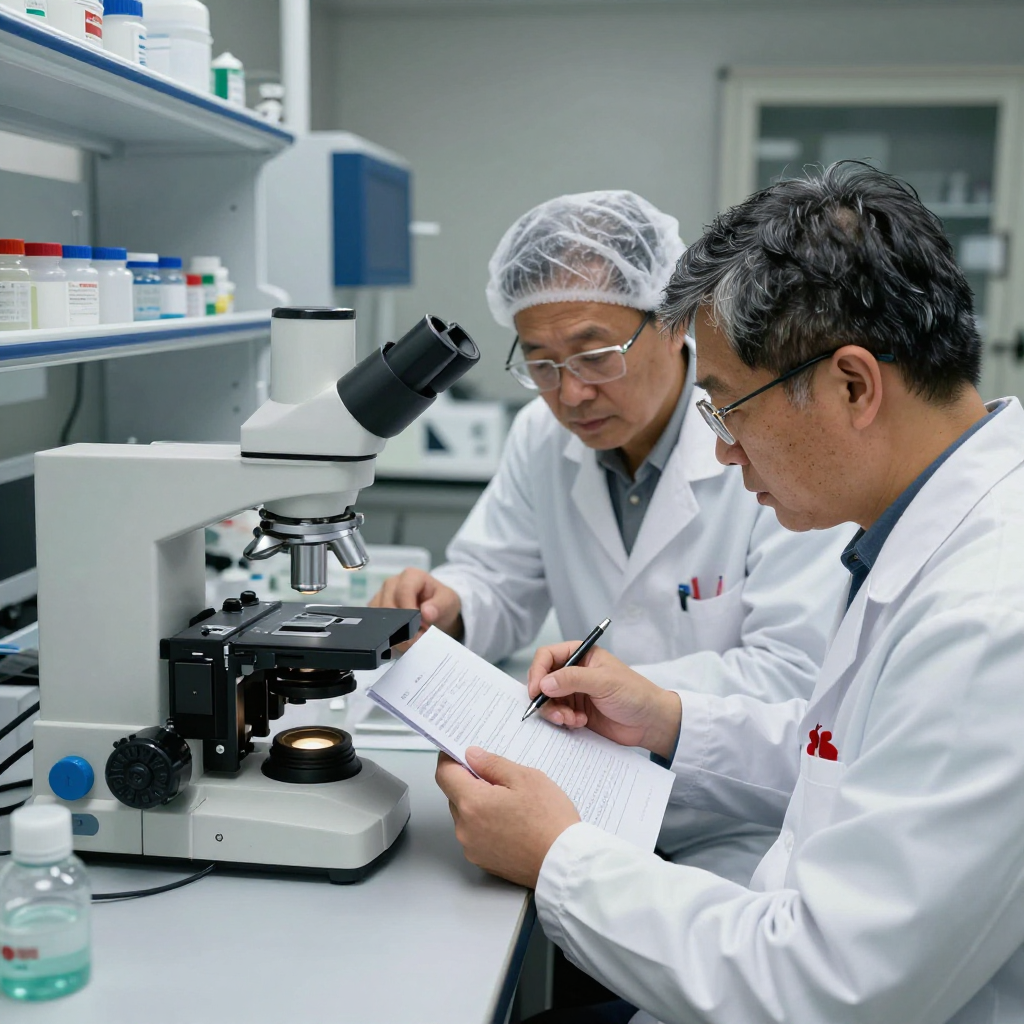
Research collaboration can connect graduate researchers, laboratories, supervisors, and public or private-sector partners. Projects may address climate adaptation, delta management, public health, food systems, technology, education, or other Vietnam–Netherlands priorities. Internships provide practical experience, but students should confirm whether the placement is academically assessed, paid, insured, and legally permitted.
Who Can Participate?
Participants may include undergraduate and postgraduate students, doctoral researchers, academic staff, educators, professional trainees, and institutional coordinators. Eligibility varies by program, so applicants must check the specific agreement rather than assume that every opportunity is open to all students.
University students are often selected through their home institution, especially when the opportunity depends on a bilateral agreement. Graduate researchers may apply through a supervisor, doctoral school, research center, or project consortium. Academic staff can participate through teaching visits, joint research, workshops, or professional development activities.
Institutional coordinators also play an important role. International offices help manage nominations, learning agreements, transcripts, insurance information, and communication between partner universities. A Vietnamese university may therefore participate as a sending institution, while a Dutch university acts as the host, or both may exchange participants under a reciprocal arrangement.
Selection commonly considers:
- Current enrollment or employment at an eligible institution.
- Academic performance and relevant subject preparation.
- Language ability appropriate to the course, laboratory, or workplace.
- Motivation, independence, and readiness for intercultural learning.
- Whether the proposed activity fits the applicant’s degree or professional goals.
Typical Eligibility and Application Requirements
Typical exchange applications require proof of institutional affiliation, academic records, language evidence, a motivation letter, recommendations, and a clear study or research plan. The exact documents and minimum standards are set by the participating Vietnamese or Dutch institutions.
A practical application process usually follows these steps:
- Identify the opportunity: check the international office, faculty announcements, partner-university pages, and official cooperation notices.
- Confirm eligibility: verify your study level, field, academic standing, language requirements, and available exchange period.
- Discuss the plan: speak with an academic adviser about course equivalence, supervision, research methods, or internship duties.
- Prepare documents: gather transcripts, a curriculum vitae, language certificate if required, recommendations, passport details, and a motivation letter.
- Submit through the correct route: some programs require home-university nomination before the host institution will review an application.
A strong motivation letter explains why the Vietnam–Netherlands opportunity fits the applicant’s academic direction and how the experience will benefit both the participant and the home institution. Generic statements about wanting to travel are less persuasive than a specific plan linking selected courses, research questions, or professional skills to future work.
Funding, Scholarships, and Practical Costs
Funding for educational exchange programs may come from home or host universities, cooperation projects, scholarships, grants, personal resources, or a combination of sources. No exchange should be assumed to be fully funded until the written terms specify what is covered.
Applicants should build a budget that includes:
- Tuition or program fees and whether a tuition-waiver arrangement applies.
- Flights, local transportation, accommodation, and a housing deposit.
- Food, study materials, communication, and daily living expenses.
- Health, travel, and liability insurance where required.
- Visa or residence fees, document legalisation, and emergency funds.
Some partnerships use an exchange model in which students continue paying tuition to the home institution, while others charge host-institution fees or separate program costs. Scholarships may cover travel, living expenses, research materials, or only a limited part of the total budget. Review eligibility, payment dates, reporting duties, and whether funding is taxable or conditional.
Financial planning should include a reserve for the first month, when deposits, transport cards, household items, and administrative costs can arrive together. Choosing a lower-cost housing option may reduce expenses but can increase commuting time. The right decision depends on the campus location, course schedule, and support available.
Visa, Travel, and Pre-Departure Preparation
Exchange participants must confirm the correct student visa, residence permit, or other immigration route before travelling, because requirements depend on nationality, duration, study status, and the host institution. Official Dutch immigration and consular guidance should take priority over informal advice or older student accounts.
After receiving formal acceptance, participants should:
- Ask the host institution which party submits or supports the immigration application.
- Check passport validity, financial evidence, photographs, insurance, and translated documents.
- Confirm accommodation before arrival and understand cancellation or deposit terms.
- Arrange health coverage and keep digital and printed copies of important records.
- Review registration, arrival reporting, banking, transport, and campus orientation procedures.
Applicants can consult the Government of the Netherlands immigration information for official context, then follow the precise instructions supplied by the host institution. Visa approval is separate from academic admission, and receiving an offer does not guarantee an immigration decision.
Preparation also includes cultural and academic adjustment. Dutch classrooms may emphasize discussion, independent reading, direct feedback, and active participation. Vietnamese students can prepare by reviewing assessment methods, asking supervisors about expectations, and practising academic communication in English or the relevant teaching language.
Benefits for Students, Institutions, and Bilateral Cooperation
Educational exchange benefits students through intercultural competence, language development, academic networks, research experience, and stronger employability. Institutions gain teaching connections, research capacity, curriculum ideas, and durable channels for Vietnam–Netherlands cooperation.
For students, living and studying in another academic system develops practical independence. A participant may learn to compare research methods, present ideas to an international audience, manage a multidisciplinary project, or adapt to a new assessment style. These experiences can strengthen applications for graduate study and roles involving international partners, although an exchange alone does not guarantee employment.
For researchers, mobility can provide access to specialist equipment, datasets, supervisors, field sites, and complementary expertise. Clear agreements on authorship, data protection, intellectual property, ethics approval, and publication responsibilities are essential before work begins.
For universities, partnerships can produce joint teaching, staff development, dual supervision, conference networks, and more internationally relevant curricula. The benefits are strongest when cooperation has measurable objectives, such as the number of mobilities, completed joint projects, new courses, or continuing research outputs. Short visits can open a relationship, but sustained institutional support determines whether it lasts.
At the bilateral level, academic mobility creates people-to-people connections that support cooperation in areas such as sustainable development, water and delta management, agriculture, technology, public health, and education. The exchange becomes more valuable when participants return, share what they learned, and help their institutions improve future collaboration.
Frequently Asked Questions
What are the main types of educational exchange programs between Vietnam and the Netherlands?
The main types are semester exchanges, summer schools, joint courses, faculty mobility, research collaboration, internships, study-abroad placements, and institutional partnership projects.
Can students apply directly, or must they apply through their university?
Both routes exist. Formal student exchange programs commonly require nomination by the home university, while some short courses, independent study-abroad options, and research placements accept direct applications.
What documents are commonly required for an exchange application?
Common documents include an application form, transcript, proof of enrollment, passport copy, motivation letter, curriculum vitae, recommendation letters, language evidence, and a proposed study or research plan.
Are scholarships or financial support available?
Support may be available through universities, research projects, government or cooperation schemes, and external foundations. Availability, deadlines, eligibility, and coverage differ, so applicants should verify each opportunity through official sources.
Do exchange participants need a visa or residence permit?
Many participants travelling to the Netherlands for an extended study or research period need an appropriate visa or residence process. The correct route depends on the activity and duration, so confirm it with the host institution and official Dutch authorities before booking travel.